A sermon preached at United Presbyterian Church of Peoria, IL on November 10, 2024. You can watch the worship service if you prefer. The music was really lovely and we baptized a child and received new members, too!
Preaching Texts: 1 Kings 17:8-16 and Mark 12:38:44
Preaching can be very hard – trying to listen to the Spirit, choose the right path among the dozen or more that present themselves, and holding the tension between what the Book of Order requires of us on the one hand: “to preach and teach the faith of the church, so that the people are shaped by the pattern of the gospel and strengthened for witness and service” – and on the other hand, navigating the reality of the particularities of a congregation in their unique context. This is what my colleagues and I do every single week. This week, as emotionally fraught and contextually complex as it has been is no exception.
For the record: The Spirit was at work long before the dawning of the month of November. Both of these scripture passages were selected from the lectionary – an ecumenical tool that is used across the mainline denominations, including the Roman Catholic Church. It is a 3 year preaching cycle with 4 scriptures assigned to each Sunday and is intended to incorporate key passages in the Hebrew Scriptures and all four gospels.
So in July when Alison and I were planning worship prior to her departure, we talked about where we would be at this point in the worship cycle. We knew there would be an election, but it was mid summer, and I won’t deny it, we were both riding high on the possibilities for Kamala Harris. So we shifted our attention to the stewardship campaign, and wondered about what text to choose that would carry forward our focus on stepping into the future as strong and courageous people guided by God’s Spirit. We thought we could work in a bit of Thanksgiving, too, since November is typically when we focus on that. So the TLDR on this part of the sermon is: these two texts have been in the worship planning document since July. So…Let’s see what they have to say to us today.
I have to say, there’s nothing quite like the generosity of the Widow of Zarephath who was ready to lay down and die, so deep was her misery in the midst of a famine that had wiped out resources in every kingdom in the region. She is among the poorest of the poor – a woman alone in the world with a child to feed in a land where the wealthy rulers were scraping what little there was into their storehouses. She was ready to offer from the nothing she had…
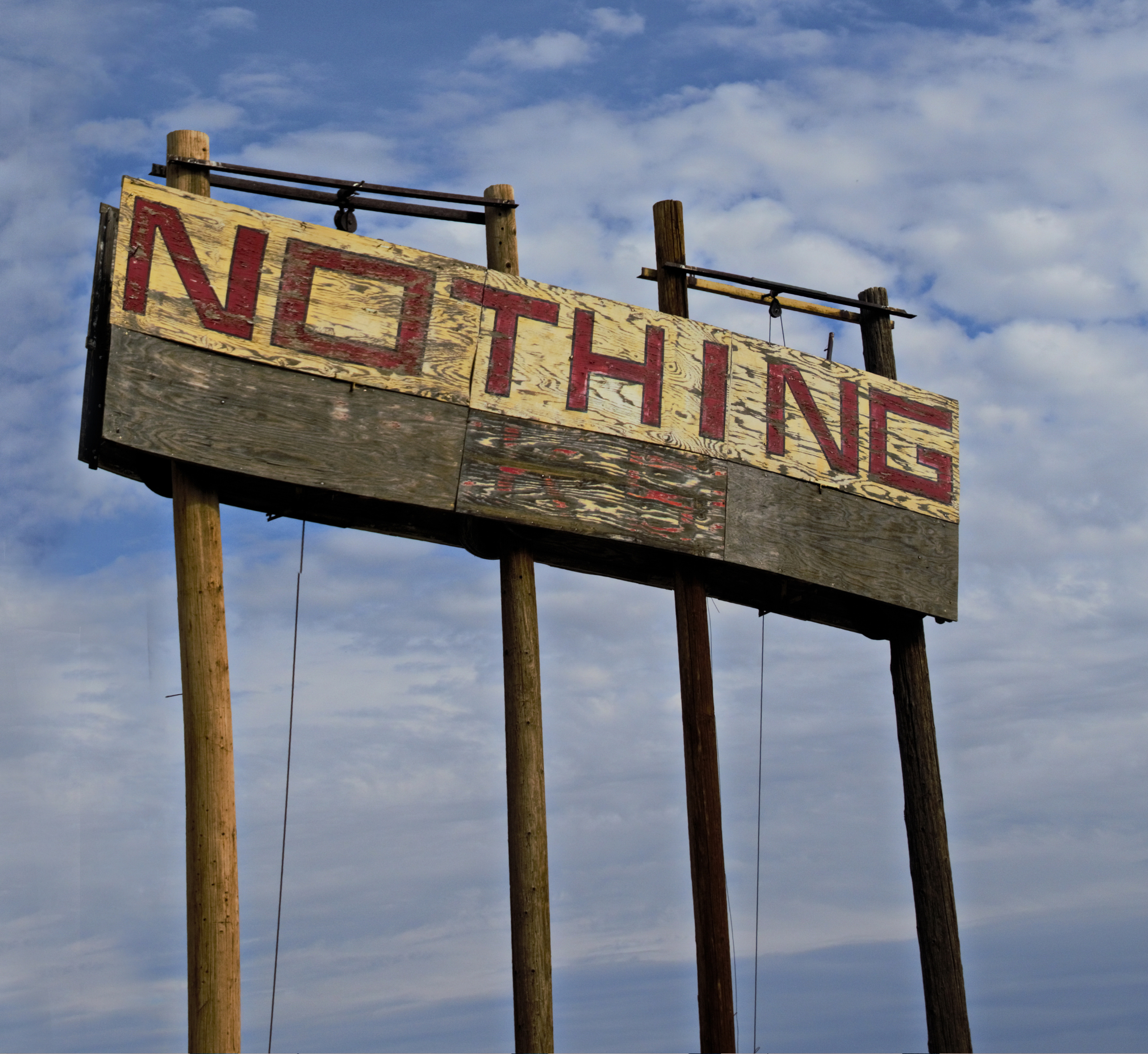
Dr. Wil Gafney, Professor of Hebrew Bible at Brite Divinity School reminds readers and preachers of this text to take a moment to be clear: this story (and the one Theresa just read – of the widow who gave her offering) should NEVER be read in a cause and effect way – that it’s only when those who have nothing left to offer give a just little bit more of their nothing that God will come and fill up their metaphorical (and also very real) jars of oil. (NB: Dr. Gafney’s sermon on the Widow of Zarephath is a powerful thing.)
That’s not what this is about.
These women lived their values – and they lived them in public, even when for one of them at least, it meant putting her life and that of her child on the line.
The women in both of these stories weren’t very important in their worlds. They were part of a disposable class of people with very few resources. From the perspective of the world around them, they little, if anything to offer. Their communities thought of them as good for… well… not much. (If they thought of them at all.) They might carry some work but mostly, they were living at a very basic level. At any moment, the smallest thing could tip them over the edge into a place where death was really the better option. For the widow of Zarephath – she was literally preparing her last supper.
Elijah, on the other hand, had been hanging out with those in power, enjoying the relative comfort and safety of court life. Up until he so offended the king and queen, that is. So when he met this widow and her son in the city gate, it’s likely that they they didn’t seem like much to him either. He was pretty overwhelmed by what he was facing. But if they hadn’t existed – if they suddenly disappeared from the story – this whole thing would have gone so differently.
When Elijah first meets this woman, there is a great drought and famine in the land. People are running out of the basics they need to survive. There isn’t any more wheat because of the drought and that means there’s no flour. The olive trees have stopped producing and that means there’s no oil. and because of the drought, the streams and rivers are drying up too. Since water, flour and oil are the main ingredients for bread baking in those days, it follows that people were beginning to starve. This woman tells Elijah she is gathering sticks of wood to cook her last meal. At this point, I want Elijah to offer something – at least an acknowledgement of the sacrifice he is asking her to make. Even though she tells him plainly that she believes all hope is lost, Elijah ups the ante – asking her for bread, in addition to the initial cup of water. Because she is who she is in that society, she offers the hospitality required of her. She shares what little she has with him and her little boy. I want to pause for a moment and take this in… this is risky generosity. She didn’t know what would happen next but she shares out of her nothing, knowing this might be the end for her.
If she never existed – Elijah might have starved to death in that little town. Her willingness to share the nothing she had gave life to Elijah – gave him the ability to do his work a little longer. She left a remarkably big footprint in his life and in the story of God’s people.
I was thinking I could end my sermon by having us think about how we could fill the widow’s shoes – either one of them – could we give all we have to save someone special? Could we scrape the bottom of our financial or our energy reserves barrels to offer more treasure or time to the church? More importantly, what are we doing as a congregation that if we suddenly stopped, it would matter – that if we ceased to exist, somebody would notice and worry about us.
And then Tuesday happened.
And now I’m wondering how many of us feel more like the window – looking for a way out – or like Elijah, more in need of rescuing – carrying that unshakeable feeling that there will be risks no matter what we do – that deep, and unspoken fear for ourselves or our loved ones becoming targets. We might even feel like a very sick little boy with no hope of recovery. How can God expect so much of us when we feel we have so little left of our nothing to offer.
My clergy colleagues across the country have been wrestling with what to say to their congregations, just as I have. Some are in extremely progressive communities where the sense of disbelief and sadness. Is felt more uniformly through their community and in the wider community beyond them. Others are in “red state “environments where the thought of a Republican win is celebrated because the people around and inside those congregations are glad for it. Still others, like us, are in more purple environments. Cities where a Harris/Walz sign would stand next-door to a Trump sign. Cities where Proud Union Worker signs are seen in the same yard as Trump/Vance signs. There is a lot to be said for being in this kind of community where we are required to learn how to live together as neighbors. But it also represents a challenge for us in this congregation and there’s where the difficulty lies.
We have made the decision to live into the PCUSA’s Matthew 25 Initiative commitments to address systemic poverty, and structural racism. Because of that commitment, we will have to make choices.
As our Session strives figure out how best to live into our more than 10 year commitment to not just welcoming LGBTQIA+ people but also ensuring their well-being and safety here in this place, we will need to decide what that looks like.
As PCUSA Presbyterians, part of a denomination which has been ordaining women as clergy for more than 50 years, ordaining female elders for 96 years, and ordaining women as deacons for 102 years, we will have to figure out what it means to take a stand for the rights of women, especially young women.
You might be thinking: “There she goes again – getting political in the pulpit!” Let me be clear. This isn’t about whether a particular political party is in power at the highest or for that matter at the lowest levels. The truth of the matter is – LGBTQIA+ people have not been safe in Christian spaces for decades – it doesn’t matter who has been in charge. There are communities of faith who are willing to declare that these siblings of ours – including my own trans daughter – are not fit for the Kingdom of Heaven.
Women around the world are still treated as 2nd class citizens, as chattel for the men in their lives, as fodder for corporations, including the church, that refuse to acknowledge their worth by providing access to positions and offering of salary packages that match that of their male counterparts.
And what about the poor? Those at the bottom of the income ladder haven’t had a fair shake since… well, maybe forever if Dickens’ A Christmas Carol or Hugo’s Les Miserables or the gospels of Matthew, Mark, or Luke are in any small way describing the realities of their worlds. This isn’t a Republican or Democrat thing. It’s the way the world has worked for a very, very, very, very, very long time.
When we think about all of this, it feels overwhelming. And rightly so. These are big problems and way more than on church can solve. We might feel like that widow – just let me be. I’m preparing for the end myself. Or we might say: “I’m too young.” “I’m too old.” “I’m too sick.” “I’m to worn out.” “I have no money.” “I have no time.”
But these widows remind us that God calls us to do justice, love mercy, and walk humbly ANYWAY – in whatever way that is natural and right for us as individuals. God doesn’t call us to be a widow, or to be poor. God isn’t calling us to have faith exactly like these women. And God isn’t calling us to be Elijah or Jesus. Elijah and Jesus did THEIR work, the work THEY were called to do, and God GIFTED them for that. In this time and place – and FOR this time and place, God is calling us walk the path that God has given us. God is calling us to make a difference with the gifts we have been given
To quote the Visa commercial: What’s in your wallet right now? What’s in you that if you offered it to one person could make a big difference in their life? What can our church proclaim in word or in action, loudly and clearly that could help those most in need feel that they are safe, loved, and provided for?
The widow of Zarephath had oil, a bit of flour, some water, and hospitality.
The widow making her offering gave what she could.
So here’s what we need to do next. We need to start asking ourselves: What do we want to do, who do we want to be, how do we want to live so that we are making a real difference in the lives of the people who need support? When we can name those things, we will know what God is calling us to do.


